Sag Flower Colorimg Pages for Kids: Unlocking the Full Potential of a Versatile Digital Design Asset
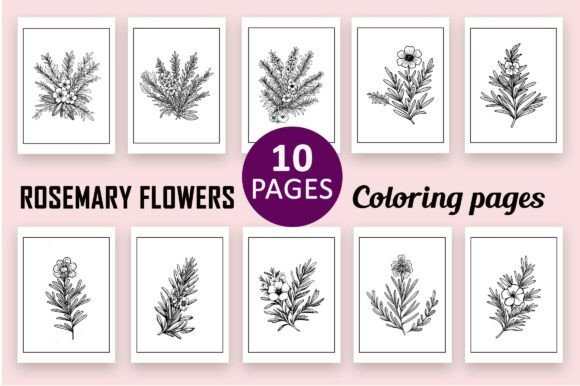
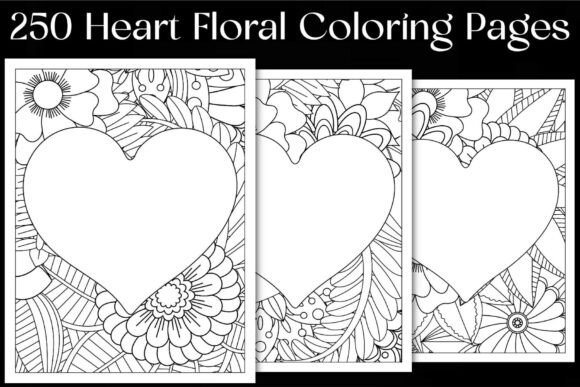
If you have come across Sag Flower Colorimg Pages for Kids while searching for January birth flower artwork, you have likely noticed that this design is far more than a simple coloring sheet. What initially appears to be a charming botanical illustration actually functions as a multi-purpose graphic asset that can serve everything from adult coloring books to KDP interiors, and from sublimation templates to textile prints. Understanding how to use this resource correctly can save you time, money, and creative frustration.
Many people download a design like this and immediately assume it is only suitable for one specific purpose. That assumption often leads to missed opportunities, wasted effort, or poorly executed products. Let us walk through the common missteps people make when working with this type of digital flower graphic, and how you can avoid them.
Understanding What You Actually Have in Your Hands
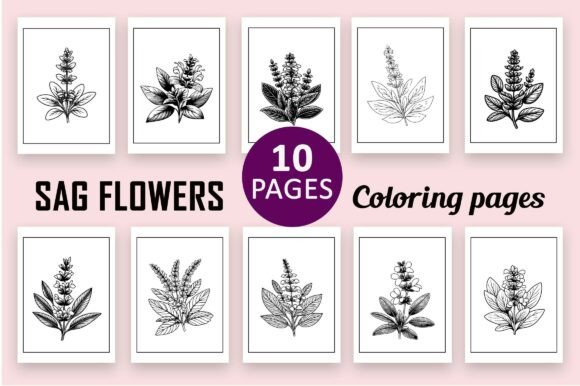
The Sag flower design, crafted meticulously in Adobe Illustrator as a vector graphic, is built on an 8.5 x 11-inch canvas. That standard sizing is not arbitrary. It aligns perfectly with print-on-demand platforms, home printers, and standard framing options. Yet many users overlook this detail and attempt to resize the design without considering resolution constraints or aspect ratio issues.
One common mistake is treating the downloaded file set as if every format serves the same purpose. The ZIP file includes 10 AI, 10 PDF, 10 EPS, 10 DXF, 10 PNG, and 10 SVG formats. Each of these serves a distinct role. Using a PNG for a large-format print can result in pixelation. Using an SVG in a raster-only editing program defeats the purpose of vector scalability. Before you open any file, take a moment to understand which format matches your intended output. For example, if you plan to emboss this design onto bedspreads or cushion covers, the DXF format is your ally because many cutting and engraving machines work directly with that file type. If you are building an Amazon KDP interior, the PDF files come ready to upload, but you may still want to adjust margins or layout depending on your trim size.
The Trap of Treating It as a Finished Product Rather Than a Starting Point
The description clearly states that this design is not just a picture but an open canvas of possibilities. Yet many people download it, print it, and call it done. They miss the entire point of the asset. The vector nature of the artwork means you can modify colors, adjust line weights, isolate elements, rotate components, and even combine the flower with other design elements without losing quality.
This flexibility is especially valuable for KDP publishers. If you are publishing multiple low-content books, you can take the same Sag flower design and produce entirely different interiors by altering color palettes, adding background patterns, or changing the complexity of the line art. One user I know created a series of five different coloring books from the same base design simply by adjusting the line thickness and adding varying levels of background detail. That is the kind of efficiency that transforms a single purchase into a productive asset.
Do not fall into the habit of using the design exactly as it appears in the preview. Experiment with scaling the flower to fill the page differently. Try using it as a small repeating pattern for a border. Extract individual petals or leaves to create new compositions. The design invites modification in every conceivable way, and the only limit is your willingness to explore.
Format Blindness: Why Your File Choice Matters More Than You Think
A recurring oversight among both beginners and experienced creators is assuming all vector formats are interchangeable. They are not. An AI file requires Adobe Illustrator or a compatible vector editor. An EPS file may open in older software but can lose some editing capabilities in newer applications. SVG files are excellent for web use but may not carry embedded fonts or complex gradients the same way a PDF does.
If you are preparing files for a print-on-demand partner, check their specific format requirements before you submit. Some platforms prefer high-resolution PNG with transparent backgrounds. Others require flattened PDFs. Sending the wrong format can lead to rejected uploads, color shifts, or unexpected cropping. The beauty of having 10 files in each format is that you have options, but those options only help if you choose wisely.
For sublimation projects, PNG files with transparent backgrounds are typically the safest choice. For cutting machines like Cricut or Silhouette, SVG or DXF files usually work best. For professional printing, PDF or EPS formats maintain the highest fidelity. Take the time to match the format to the machine and the medium.
Ignoring the Commercial Potential Beyond Publishing
The design description explicitly mentions embossing onto bedspreads, cushion covers, and coffee mugs, as well as use on greeting cards, T-shirts, and textile prints. Yet many KDP-focused users never consider these additional revenue streams. This is a missed opportunity, especially when the same vector file can be used across multiple product categories without additional design work.
If you are a small business owner or entrepreneur, consider creating a line of home decor items featuring this January birth flower. A set of matching cushion covers, a mug, and a small wall print make an attractive gift bundle. The cohesive design language across products increases perceived value and encourages repeat purchases. You do not need to redesign anything. The same SVG file that works for a coloring book page can also be used to create a heat-transfer design for a T-shirt or a sublimation print for a ceramic tile.
The mistake here is thinking of the design as belonging to one category. It does not. It is a graphic asset that crosses product boundaries. If you limit yourself to only one application, you leave money on the table.
Overlooking the Quality Checks Before Publication
Even though the design comes as a professional vector graphic created in Adobe Illustrator, you should still perform your own quality checks before using it in a final product. Open the file at full zoom and look for stray anchor points, uneven line weights, or small gaps in closed shapes. These are not necessarily flaws in the original design, but they can appear if the file is converted between formats or opened in software that handles vectors differently.
For coloring book interiors, test print a sample page with the exact paper stock you plan to use. Check whether the lines are dark enough to be visible after printing. Some home printers render thin vector lines lighter than they appear on screen. If necessary, adjust the stroke weight before finalizing your interior file. This simple step prevents the disappointment of receiving a printed book where the design looks faded or incomplete.
For sublimation projects, perform a color test on a sample substrate. The same design can look dramatically different on polyester fabric compared to ceramic or metal. Adjust your color profiles and saturation levels accordingly. The design itself is adaptable, but your preparation determines the final quality.
The Editing Workflow That Saves You Time
Many users open the design, make edits, and then save only the final version. This creates problems if you need to revisit an earlier idea or produce a variation later. A better approach is to keep a master file in the original AI or EPS format, and only export copies in other formats when you need them. Name your files clearly with version numbers or dates so you do not accidentally overwrite work.
If you are not experienced with vector editing software, start with the PDF files. They open in a wide range of applications and are often easier to manipulate for basic tasks like resizing or adding text. As you grow more comfortable, move to the SVG or AI formats for deeper editing of individual elements. The learning curve is worth climbing because the control you gain over the design multiplies its usefulness.
One practical tip: create a template document that matches your most common output format, such as an 8.5 x 11 inch KDP interior or a 12 x 12 inch sublimation sheet. Import the Sag flower design into that template and save it as a base file. This eliminates repetitive setup work and ensures consistent sizing across your projects.
What to Check Before You Buy or Download
Before you commit to using this design, verify that the file formats included match the software and hardware you own. If you do not have a vector editor, you will rely heavily on the PDF and PNG files. Make sure those meet your needs before assuming you can manipulate the design deeply. Also check the license terms. Some digital designs restrict commercial use or limit the number of products you can create. Understanding these terms upfront prevents legal headaches later.
Confirm that the design resolution is adequate for your largest intended use. For a standard 8.5 x 11 inch print, the included files are perfect. If you plan to scale the design up to poster size or use it on a large textile print, you need to verify that the vector detail holds at that scale. Typically, vector files handle scaling without issue, but complex floral patterns can sometimes look sparse when enlarged significantly. Preview the design at your target size before committing to production.
Finally, consider whether the design style matches your brand or project aesthetic. The Sag flower has a specific look that may not suit every audience. If your target market prefers minimalist line art or highly detailed botanical illustrations, check that this design strikes the right balance. The versatility of the asset does not mean it is right for every project, but for the right project, it is exceptionally useful.
The Sag Flower Colorimg Pages for Kids design is a thoughtfully created asset that rewards careful use. When you match the format to the task, experiment with modifications, and explore applications beyond coloring books, you get exceptional value from a single purchase. Avoid the common pitfalls of format blindness, limited thinking, and skipped quality checks, and this design will serve you across multiple products and platforms for a long time to come.